
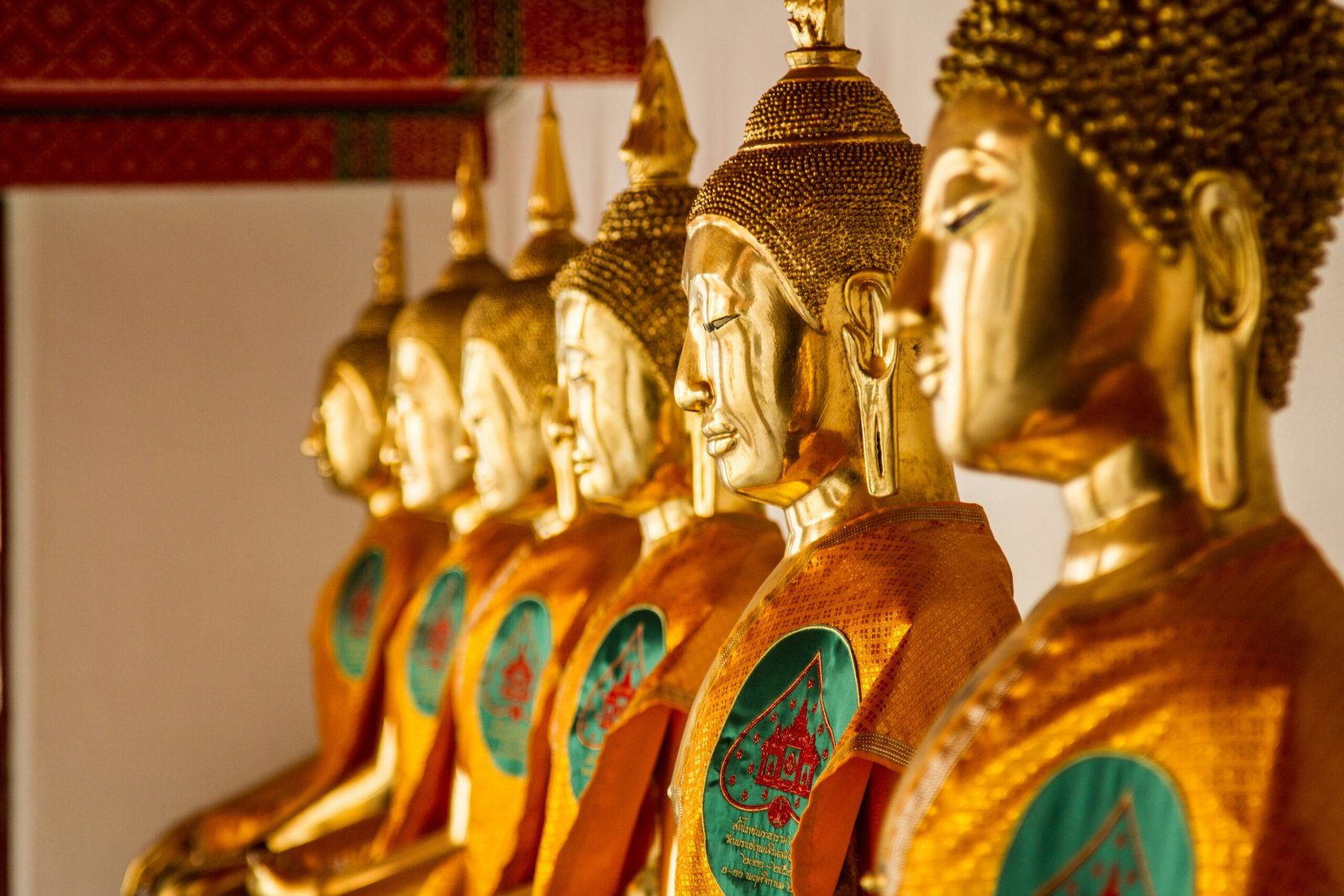
Introduction to Dhamma and Buddhist Philosophy
Dhamma, often translated as "the truth" or "the law," forms the cornerstone of Buddhist philosophy, guiding individuals towards understanding existence and the path to enlightenment. At the heart of Buddhist teachings are the Four Noble Truths, which provide a framework for interpreting human suffering and its cessation. These truths articulate the essence of Dhamma by illustrating the nature of suffering, its causes, the possibility of overcoming it, and the prescribed means for achieving that end.
The First Noble Truth identifies suffering (dukkha) as an intrinsic aspect of life, encompassing physical pain, emotional distress, and existential dissatisfaction. Acknowledging this truth does not lead to nihilism; rather, it invites individuals to engage with their experiences rather than ignore or deny them. The Second Noble Truth examines the origins of suffering, attributing it largely to attachment, craving, and ignorance. By recognizing the roots of suffering, individuals can begin to dismantle the conditions that perpetuate their discontent.
The Third Noble Truth offers hope, proclaiming the possibility of liberation from suffering through the cessation of craving. This realization encourages individuals to explore pathways toward emotional and spiritual freedom. The Fourth Noble Truth lays out the Eightfold Path, a practical guide composed of ethical conduct, mental discipline, and wisdom, which serves as a blueprint for alleviating suffering and fostering deepening mindfulness.
The teachings of Dhamma and the pursuit of understanding through Buddhist philosophy resonate profoundly, especially for working adults navigating the complexities of contemporary life. By integrating these principles and recognizing the value of the Middle Way—advocating for moderation and balance—individuals can cultivate resilience and insight amidst their daily challenges. This approach thus opens avenues for a more harmonious existence grounded in awareness and understanding.
The Four Noble Truths Explained
The Four Noble Truths form the foundation of Buddhist teaching, delineating the nature of human existence and the path toward liberation from suffering. The first truth, known as Dukkha, refers to the concept of suffering, which encompasses not only physical pain but also emotional and existential dissatisfaction. This truth acknowledges that life is often fraught with difficulties, whether they stem from loss, anxiety, or the ephemeral nature of happiness. By recognizing Dukkha, individuals can develop a deeper awareness of their experiences and understand that suffering is an inherent aspect of life.
The second truth, Samudaya, identifies the root causes of suffering, primarily craving and attachment. These desires can be rooted in material possessions, relationships, or even the pursuit of status. According to Buddhist philosophy, such cravings lead to a cycle of unfulfillment and discontent, emphasizing the need for introspection to break free from these attachments. Understanding Samudaya encourages individuals to reflect on their desires and seek moderation, which can notably enhance workplace dynamics by fostering a focused, less reactive attitude among employees.
The third noble truth, Nirodha, posits that the cessation of suffering is attainable. This truth highlights that by relinquishing cravings and attachments, individuals can experience liberation and inner peace. Nirodha revitalizes hope and serves as a critical reminder that transformation is possible through conscious effort and mindfulness. It encourages individuals to practice awareness, particularly in high-stress environments, where the pressures of daily life often exacerbate feelings of inadequacy.
The final truth, Magga, delineates the path leading to the end of suffering. This path, known as the Eightfold Path, comprises aspects such as right understanding, right intention, and right action, which collectively guide individuals toward ethical conduct, mental discipline, and wisdom. By incorporating these principles into their daily lives, individuals can navigate challenges more effectively, fostering a harmonious work environment that aligns with the principles of Dhamma and the Middle Way.
Understanding the Concept of the Middle Way
The Middle Way is a central concept in Buddhist philosophy that advocates for a balanced approach to life. It emphasizes the importance of avoiding the extremes of indulgence and self-denial. Instead of leaning towards overindulgence in sensory pleasures or severe ascetic practices, the Middle Way encourages individuals to cultivate a moderate lifestyle that promotes holistic well-being.
In the teachings of the Buddha, the Middle Way is introduced as a path that leads to enlightenment and liberation from suffering. It is often depicted through the metaphor of a lyre string—if the string is either too tight or too loose, it cannot produce a harmonious sound. Likewise, a life lived in extremes results in a lack of harmony and can lead to physical and mental distress. By steering clear of these extremes, one can find a suitable balance in various aspects of life, including work, relationships, and self-care.
The importance of the Middle Way extends beyond personal well-being; it serves as a framework for ethical living. When individuals adopt a balanced approach to their actions and decisions, they are more likely to act with compassion and mindfulness. This, in turn, fosters an environment where the well-being of oneself and others can be prioritized. The principles of moderation and moderation inform one’s engagements with the world, helping to deter behaviors that far too often lead to suffering.
Moreover, the Middle Way is not just a philosophy; it manifests in practical strategies for living a fulfilling life. For instance, it encourages individuals to set realistic goals, practice self-compassion, and maintain a focus on mental well-being. By doing so, one cultivates resilience and the ability to navigate life’s challenges while minimizing the impact of external and internal stresses.
The Middle Way in Daily Life: Practical Application
The Middle Way, a fundamental concept in Buddhism, encourages individuals to seek balance in their lives. For working adults, applying the principles of the Middle Way can significantly enhance stress management, promote work-life balance, and foster mental clarity. One practical example lies in the approach to stress. Instead of oscillating between excessive work hours and complete disengagement, individuals can aim for a moderate workload that allows for productivity without burnout. This could involve setting realistic deadlines, learning to delegate tasks, and incorporating regular breaks into the workday to refresh one's mind.
In the quest for work-life balance, the Middle Way proposes a harmonious integration of personal and professional responsibilities. Adults may consider establishing clear boundaries by designating specific hours for work and personal time. By adhering to a structured schedule, individuals can allocate time for their relationships, hobbies, and self-care activities. This not only nurtures personal well-being but also enhances overall job satisfaction, reducing the likelihood of feelings of overwhelm and dissatisfaction.
Moreover, maintaining mental clarity is essential in today's fast-paced environment. Practicing mindfulness techniques, such as meditation or mindful breathing, can help individuals develop a better awareness of their thoughts and emotions. Incorporating these practices into daily routines can lead to improved focus and decision-making skills, which aligns with the Middle Way’s emphasis on deliberate and thoughtful action. Additionally, nourishing the body with a balanced diet and regular exercise supports mental health and contributes to a steady, clear mindset.
By embracing the Middle Way, working adults can navigate challenges with a balanced approach, fostering resilience and well-being in both their professional and personal lives. This method encourages a thoughtful synthesis of effort and rest, action and reflection—a vital component of a fulfilling and productive existence.
Challenges to Finding the Middle Way in Modern Life
In today's fast-paced world, numerous challenges confront working adults striving to implement the Middle Way in their daily lives. The rapid transformation of societal norms and the pressures that come with them often lead individuals to a state of imbalance. One of the most prominent barriers is the overwhelming societal pressure to succeed. Expectations related to career advancement, financial stability, and social status compel individuals to adopt an all-or-nothing mentality, which contradicts the essence of the Middle Way.
Moreover, work-related stress poses a significant challenge. Many find themselves engulfed in demanding jobs that require long hours and constant availability, leaving little room for personal reflection or mindfulness. This work-centric lifestyle not only fosters burnout but also detracts from the practice of moderation, which is crucial in adhering to the Middle Way. The inability to cultivate a balanced life compounded by these work-related demands can create a dichotomy between professional obligations and personal well-being.
Additionally, the relentless pace of modern living exacerbates the struggle to find equilibrium. With technology facilitating constant connectivity, individuals often grapple with the expectation to stay engaged at all times. This environment can lead to neglecting one's physical, mental, and spiritual needs. Consequently, mindfulness becomes essential to recognize the myriad distractions and pressures that hinder the pursuit of the Middle Way.
To navigate these challenges effectively, it becomes imperative to cultivate mindfulness and awareness. Engaging in regular mindfulness practices can help individuals remain cognizant of their thoughts and behaviors, allowing them to make informed choices that align with the Middle Way. By acknowledging the barriers and integrating mindful strategies, working adults can better manage the demands of contemporary life while nurturing a sense of balance and fulfillment.
Mindfulness and Its Role in the Middle Way
Mindfulness, rooted in Buddhist traditions, serves as a vital tool to cultivate balance in daily life while adhering to the principles of the Middle Way. This practice emphasizes the importance of being present and fully engaged in the current moment, allowing individuals to develop a deeper awareness of their thoughts, emotions, and surroundings. By integrating mindfulness into everyday activities, one can foster a clearer understanding of the factors that contribute to well-being and decision-making.
Various techniques can facilitate the practice of mindfulness. One of the most recognized methods is meditation, which encourages individuals to focus their attention and reduce the distractions that often cloud our judgments. Simple practices such as breathing exercises can be beneficial, where practitioners concentrate on their breath, thereby anchoring themselves to the present and encouraging a serene state of mind. Additionally, mindful walking, where attention is placed on each step and the sensations felt within the body, allows individuals to engage with their environment meaningfully.
Moreover, mindfulness can also be incorporated into daily routines. For instance, when eating, one can practice mindful eating by taking time to savor each bite, observing flavors, and recognizing the physical sensations of hunger and fullness. This approach not only promotes better eating habits but also assists in fostering an appreciation for the nourishment consumed. Furthermore, actively engaging in mindful listening during conversations helps individuals develop empathy and understanding for others, enriching interpersonal relationships.
In essence, practicing mindfulness can lead to improved self-awareness, better emotional regulation, and more deliberate decision-making. By embracing mindfulness, individuals can navigate life's complexities while adhering to the Middle Way, achieving a state of balance that aligns with their values and aspirations. This journey toward balance is both personal and transformative, contributing significantly to overall well-being.
Stories of Transformation: Real-Life Examples
The application of Dhamma and the principles of the Middle Way has profound implications in the lives of individuals navigating modern challenges. Numerous accounts illustrate how these teachings foster transformation, promoting a more balanced existence. One such story is that of a corporate leader who, facing high levels of stress and burnout, sought refuge in meditation and mindfulness practices rooted in Dhamma. By incorporating these principles into his daily routine, he reported not only a reduction in stress levels but also an enhancement in his decision-making abilities. The practice of mindfulness allowed him to stay present, leading to improved communication within his team and greater empathy towards colleagues, driving a more collaborative work environment.
In another instance, a community group implemented the Middle Way's ethos in their approach to local issues such as poverty and education. Instead of adopting extreme measures, they opted for balanced initiatives that considered all stakeholders. By facilitating open dialogues among community members, they identified practical solutions addressing educational disparities without imposing rigid frameworks. Their efforts led to notable improvements in local schools, demonstrating how a thoughtful approach, grounded in Dhamma, can significantly uplift an entire community.
These narratives showcase the versatility of Dhamma principles when applied in diverse contexts. The balancing act of integrating personal well-being with collective harmony illustrates the universal applicability of the Middle Way. Individuals who embrace these teachings often report greater resilience in the face of adversity and a more profound connection with both themselves and others. Whether it is through the stories of a corporate executive or a community group, the transformative essence of Dhamma manifests in a myriad of ways, affirming its relevance in everyday life.
Resources for Further Exploration
For those interested in delving deeper into the concepts of Dhamma and the Middle Way, a variety of resources are available that cater to different learning preferences. One of the most accessible ways to begin is through books written by esteemed Buddhist scholars and practitioners. Titles such as "What the Buddha Taught" by Walpola Rahula provide foundational insights into Buddhist teachings, including the Middle Way. Another excellent read is "The Heart of the Buddha's Teaching" by Thich Nhat Hanh, which offers practical guidance on how these teachings can be applied in daily life.
Additionally, numerous articles and essays can be found online that expand on the philosophy behind Dhamma and its practical applications. Reputable platforms such as the "Lion's Roar" and "Tricycle" frequently publish content that explores various aspects of Buddhist thought. These articles often include interpretations of the Middle Way, serving as excellent resources for both beginners and experienced practitioners alike.
For those who prefer interactive learning experiences, many organizations and institutions offer online courses focusing on Buddhism and the Middle Way. Websites such as Coursera and edX provide structured learning environments where individuals can engage with the material more deeply. Courses often feature video lectures, reading materials, and discussion forums, fostering a community of learners who share similar interests.
Finally, attending local meditation centers or Buddhist temples can provide invaluable opportunities for experiential learning. These venues often host workshops or classes that encourage meditation practice while also deepening one’s understanding of Buddhist philosophy. Engaging with experienced teachers and fellow practitioners can enhance one’s journey in exploring the principles of Dhamma and the Middle Way.
Conclusion: Embracing the Middle Way for a Fulfilling Life
In summary, the teachings of Dhamma and the concept of the Middle Way offer profound insights for individuals seeking balance in their daily lives. As we explored throughout this blog post, the Middle Way serves as a guiding principle that helps navigate the complexities of modern living, particularly for working adults. By understanding the balance between indulgence and deprivation, individuals can cultivate a more harmonious existence.
The practice of the Middle Way encourages a mindful approach to daily activities, urging individuals to find moderation in their choices. Whether it is in the realm of work, personal relationships, or self-care, applying the principles of Dhamma can lead to enhanced well-being and overall satisfaction. By focusing on the importance of mental clarity and emotional stability, individuals can learn to respond to challenges with wisdom rather than reacting impulsively.
Furthermore, embracing these teachings can foster a more peaceful mindset, allowing individuals to experience life in a more fulfilling way. This balanced approach is not merely theoretical; it can be integrated into everyday routines through simple practices such as mindfulness meditation, reflective journaling, and setting realistic boundaries between work and personal life. These strategies not only promote well-being but also enhance productivity and interpersonal relationships.
Ultimately, the journey towards embracing the Middle Way is a personal and ongoing process. It invites individuals to cultivate compassion, understanding, and awareness in their lives. By committing to this path, working adults can unlock a more meaningful existence, characterized by tranquility and fulfillment. The potential for personal growth and happiness is inherent in every moment; it simply requires an openness to integrate the teachings of Dhamma into our daily practices.